Scientific Mastery of Concrete Mixer Feeding Sequence: Key to Enhancing Mixing Quality
Jan 30,2026
Overview
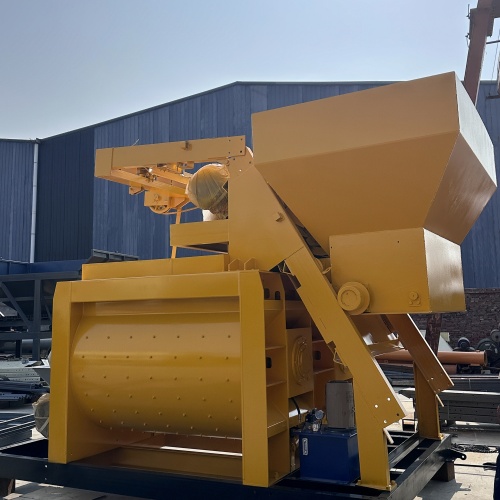
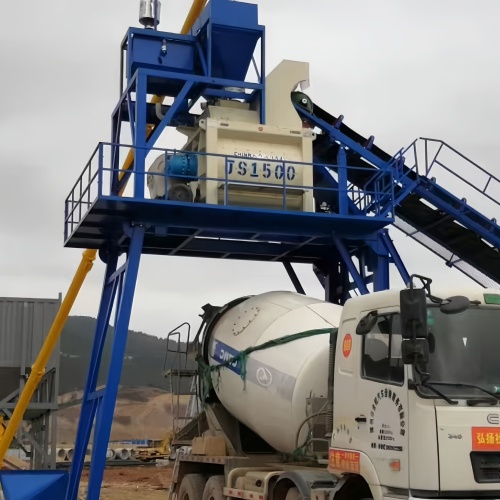
In the concrete production process, the sequence of material feeding is a critical factor determining the quality of the finished product. Proper feeding procedures not only promote uniform material integration but also optimize mixing efficiency, reduce energy consumption, and extend equipment lifespan. As a company dedicated to the research and manufacturing of concrete mixer, we are committed to providing efficient and stable production solutions for our users. Next, let's explore the core aspects of this process in detail.
Importance of Feeding Sequence
The concrete mixing process involves complex interactions between materials. Cement, aggregates (including sand and stone), water, and various additives undergo multi-layered physical and chemical reactions. It is precisely the complexity of these reactions that makes the feeding sequence particularly critical. Improper feeding methods may lead to the following issues:
- Cement clumping or uneven distribution
- Reduced structural strength of concrete
- Extended mixing cycles and increased energy consumption
- Accelerated scaling inside equipment
- Fluctuations in product quality
Understanding these potential problems allows us to explore how to avoid them through standardized procedures.
Detailed Standard Feeding Procedures
1. General Operating Guidelines (Applicable to Most Mixing Equipment)
For conventional mixing equipment, especially high-performance forced mixers, it is recommended to follow this operational sequence:
Phase 1: Injection of Main Mixing Water
First, add approximately two-thirds of the mixing water. This effectively wets the inner surface of the mixing chamber, reducing the risk of material adhesion.
Phase 2: Addition of Coarse Aggregates
The addition of stones helps clean the mixing walls while providing foundational support for subsequent materials.
Phase 3: Addition of Fine Aggregates
Sand is added on top of the coarse aggregates, aiding in the formation of a uniform aggregate matrix.
Phase 4: Addition of Cement Materials
Cement should be added only after all aggregates have been introduced to avoid direct contact with the equipment walls, which could cause sticking.
Phase 5: Supplementation of Remaining Components
In the final phase, add the remaining water and various functional additives (such as water reducers or setting regulators) to ensure complete integration.
After mastering the standard procedures, attention must also be given to adjustments for specialized concrete types.
2. Adjustment Plans for Specialized Concrete
- High-Strength Concrete: Pre-mixing of cement slurry is recommended.
- Lightweight Concrete: Lightweight aggregates require pre-wetting treatment.
- Self-Compacting Concrete: Precise segmented feeding control is required.
Optimized Features of Equipment Design
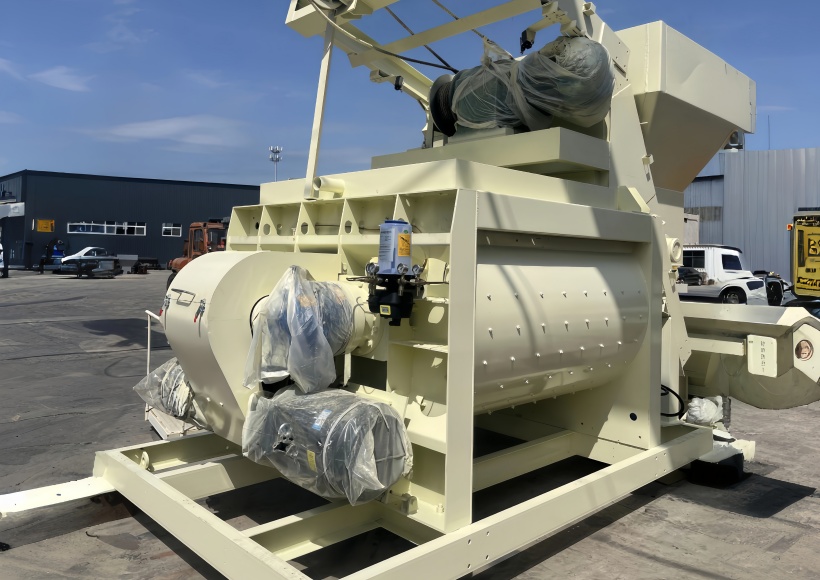
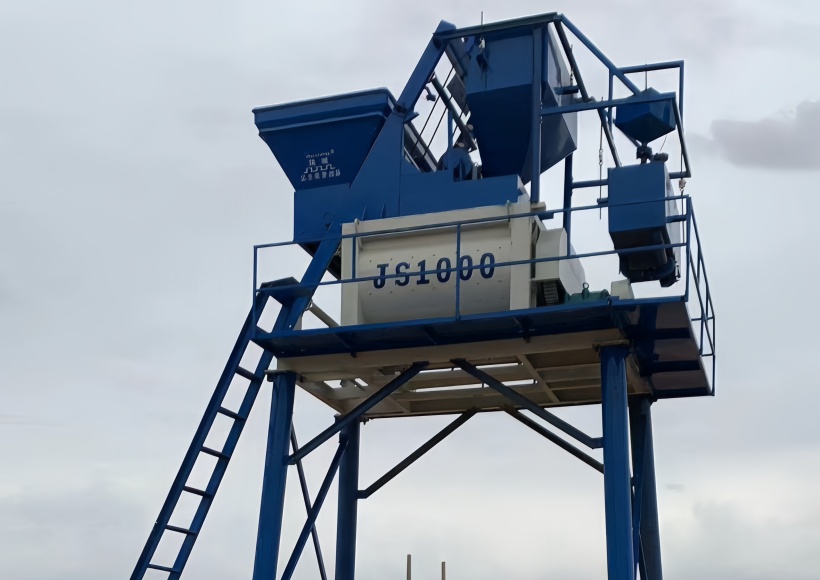
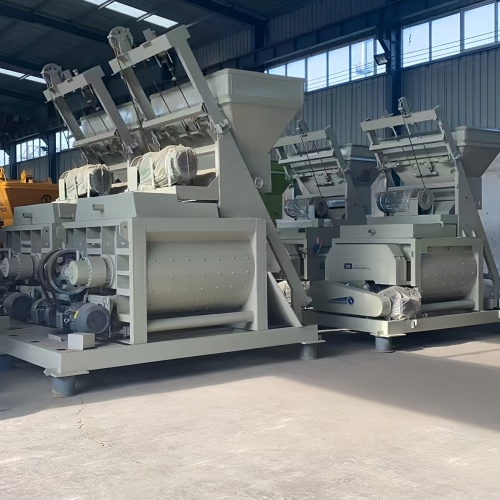
Beyond the process itself, the design of the equipment is equally crucial. Our mixing equipment has been developed with the feeding process in mind from the research and development stage:
1. Intelligent Control Module
Equipped with programmable control systems that support the preset and storage of multiple feeding schemes.
2. Efficient Mixing Structure
Innovative blade configuration and layout design ensure optimal mixing performance under various working conditions.
3. Anti-Adhesion Surface Treatment
Special inner wall treatments and material selections significantly reduce the likelihood of material adhesion.
However, even with advanced equipment, the following operational points must be considered in practice.
Key Points in Practical Operations
1. Environmental Adaptability Adjustments
- High-temperature environments: Adjust the timing of water addition appropriately.
- Low-temperature conditions: Use warm water and optimize feeding rhythm.
2. Material Characteristics Adaptation
- Aggregate moisture content: Adjust total water usage based on humidity levels.
- Cement type differences: Different types require specific feeding timings.
3. Equipment Type Distinctions
- Forced mixers: More sensitive to feeding sequence.
- Gravity mixers: Allow for greater operational flexibility.
In practical operations, certain common mistakes deserve special attention.
Common Issues and Improvement Measures
1. Premature Addition of Cement: May cause wall sticking.
- Improvement Measure: Strictly adhere to the aggregate-first principle.
2. One-Time Water Injection: May lead to material separation.
- Improvement Measure: Implement segmented water addition processes.
3. Premature Addition of Additives: May affect their effectiveness.
- Improvement Measure: Precisely add additives according to recommended timing.
Correct operations not only enhance product quality but also directly contribute to equipment maintenance.
Equipment Maintenance and Operational Standards
Proper feeding operations not only improve product quality but also offer the following maintenance advantages:
1. Reduce wear and tear on the inner walls of the equipment.
2. Simplify cleaning and maintenance processes.
3. Enhance energy efficiency utilization.
Given these advantages, we strongly recommend establishing regular training mechanisms to ensure operators master standardized procedures.
Conclusion
While the feeding process in concrete mixing may appear simple, it plays a decisive role in the final product quality. By combining scientific feeding methods with professionally designed equipment, it is possible to consistently produce high-quality, high-performance concrete products while maximizing equipment efficiency.
Tongxin Machinery remain committed to customer needs, offering comprehensive technical support from equipment operation training to production process optimization, helping users create greater value.
---
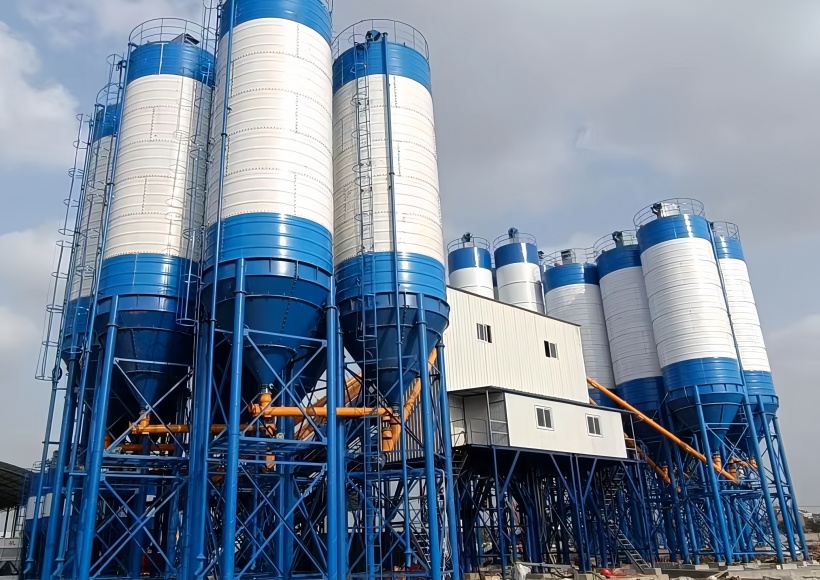
About Us: As a professional supplier in the field of concrete machinery and equipment, we provide end-to-end solutions covering design and development, manufacturing, and after-sales service. Our product lineup includes multi-specification mixing hosts, batching systems, and automated control devices, meeting the needs of construction projects of various scales.
For more product and technical information, please visit our official website or contact our professional technical advisors.