Analysis of JS1000 Concrete Mixer Pricing and Purchasing Decision Reference
Jan 15,2026
In various construction projects, the JS1000 twin-shaft forced concrete mixer has become a common piece of equipment for many construction units and concrete production enterprises due to its efficient and stable mixing performance. Faced with the diverse quotations in the market, many buyers have questions when making a choice: What is a reasonable price range? Which factors determine the final transaction price? The following content will address these points.
I. Overview of Current Market Prices for JS1000 Concrete Mixers
Based on the current international equipment market, the transaction price for a standard-configuration JS1000 concrete mixer typically ranges from US$12,000 to US$20,000. This price difference is not arbitrary but rather the result of a combination of various factors.
To better understand this price range, we can roughly divide it into three levels:
Basic Practical Type (approximately US$12,000-16,000): These are mostly offered by smaller manufacturers, with configurations primarily focused on meeting basic mixing functions. Components often use standard domestic brands, suitable for small and medium-sized projects with low production capacity requirements and infrequent use.
Mainstream Stable Type (approximately US$16,000-18,000): Products in this range usually come from manufacturers with considerable technical strength and industry experience. They use more durable materials and brands for key components such as mixing blades and transmission systems, focusing on long-term operational stability and cost-effective maintenance. They offer good value for money and are currently the mainstream choice in the market.
High-End Customized Type (approximately US$18,000-20,000 and above): These devices often come from well-known brands or are customized according to specific working conditions. They may use imported or top-tier brand components in core systems such as transmission and control, feature more precise manufacturing processes, and are equipped with higher levels of automated control systems. They are suitable for large commercial concrete mixing plants or engineering environments requiring long-term, high-intensity continuous operation.
After understanding the price range, we naturally ask: what causes such a significant price difference? Next, we will delve into the core factors influencing pricing.
2. Analysis of Key Factors Determining Equipment Price
The price composition of the equipment is complex and can be mainly attributed to the following key aspects:
1. Differences in Key Component Configurations
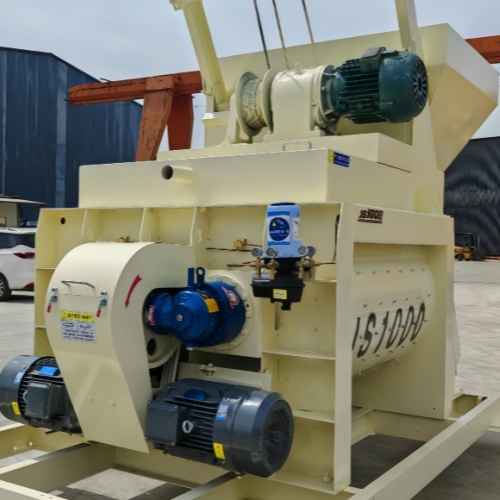
Power and Transmission System: The brand and grade of core transmission components such as motors and gear reducers are major cost components. Products from well-known brands known for stable performance and high energy efficiency have significantly higher procurement costs than standard generic parts.
Wear Resistance of the Mixing System: The material of the mixing drum liner and blades (e.g., using high-chromium alloy or other wear-resistant materials) directly affects their wear resistance and replacement cycle. High-quality wear parts require a higher initial investment but can effectively reduce subsequent maintenance frequency and downtime losses.
Type of Discharge Mechanism: Whether using pneumatic, hydraulic, or mechanical discharge devices affects the manufacturing cost, sealing performance, and operational reliability, which is also reflected in the price.
2. Design and Manufacturing Process Level
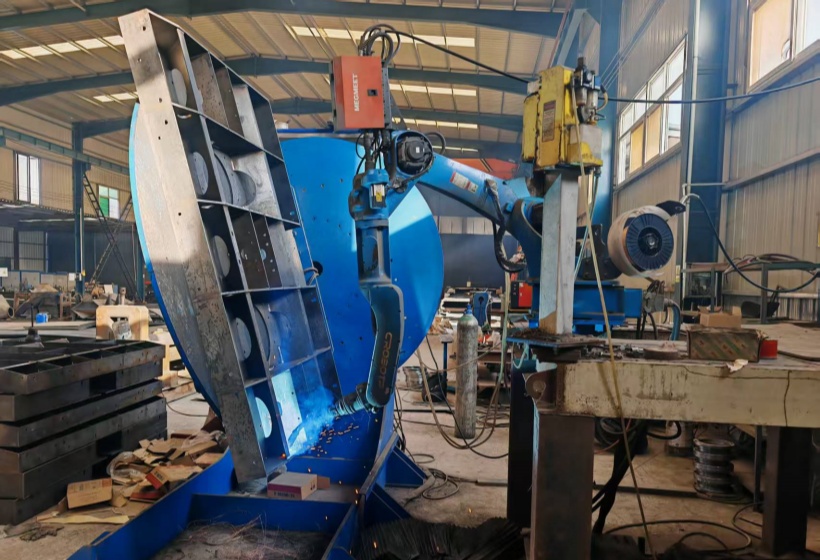
Aspects such as the steel selection, plate thickness, welding quality, overall heat treatment process, and internal mixing channel design of the main equipment structure all relate to the machine's structural strength, service life, and mixing effectiveness. Products with exquisite craftsmanship typically perform better in terms of energy consumption during operation and concrete homogeneity.
3. Brand Assurance and Service System
The pricing of brands with a good market reputation usually includes investment in ongoing R&D, strict production quality control, and lifecycle service support (such as professional installation, regular maintenance, rapid spare parts supply). This value, while not directly apparent in the equipment itself, provides crucial support for the user's subsequent operations.
4. Automation and Intelligent Control Features
There is a significant difference in technical added value between equipment with only basic electrical control functions and systems integrated with PLC programmable control, operational status monitoring, data recording, and even remote management capabilities. Increasing the level of automation helps improve production efficiency and management standards.
5. External Market Factors and Procurement Channels
Fluctuations in raw material prices (such as steel), changes in market demand, and the procurement method (purchasing directly from the manufacturer or through intermediaries) all have a certain impact on the actual transaction price.
After clarifying the factors that constitute the price, how should buyers, as purchasing parties, use this information to guide their actual purchasing decisions?
3. Purchasing Recommendations: How to Make an Informed Value Judgment
When faced with products at different price points and complex configuration parameters, following these steps can help you make a more rational choice:
1. Clearly Define Actual Requirements: First, clarify the concrete demand, production rhythm, required concrete grade, and any special performance requirements for your project, while also considering the budget. This will help determine the basic configuration level needed for the equipment. Avoid blindly pursuing high-end configurations or choosing a mismatched product simply because of a low price.
2. Focus on Long-Term Total Cost of Ownership: When evaluating, do not focus solely on the initial purchase price. It is also necessary to consider the equipment's energy consumption performance, replacement costs for wear parts, the convenience and cost of repair in case of failure, and the timeliness of the supplier's after-sales service throughout its entire lifecycle. A device with a moderate initial price but high reliability and guaranteed service often offers a more advantageous total cost of ownership in the long run.
3. Comprehensively Evaluate the Manufacturer: It is advisable to prioritize manufacturers with mature production technology, a sound quality management system, and a long-term stable track record in the market. If possible, conduct an on-site visit to their production facility to understand process details and quality control procedures. The comprehensive strength of the manufacturer is an important endorsement for the long-term stable operation of the equipment.
4. Specify Details in Contracts and Configurations: Before procurement, request a clear configuration list from the supplier detailing the brands, specifications, and materials of main components. The supply contract should clearly define key terms such as equipment performance indicators, warranty period, after-sales service content, and response times. Written, detailed agreements are the most effective way to protect your own rights and interests.
Based on the above purchasing logic, what we strive to provide our customers is precisely a solution that integrates value into every aspect of the product and service.
4. Our Value Proposition
We firmly believe that an excellent piece of equipment should be a carrier of reliable productivity and long-term value. Therefore, every JS1000 mixer we deliver adheres to the following principles:
Tailored Configuration Advice: Tongxin Machinery do not simply sell products. Instead, based on a deep understanding of your specific working conditions, we provide professional selection analysis and configuration optimization to ensure the equipment's performance precisely matches your needs.
Rigorous and Reliable Manufacturing Standards: From material selection to every stage of production and assembly, we implement a strict quality control system to ensure every piece of equipment leaving our factory has a solid foundation in craftsmanship and reliable operational quality.
Clear and Reasonable Price Structure: We adhere to the principle of transparent pricing, allowing you to clearly understand the specific composition of the cost, ensuring transparent consumption and avoiding hidden expenses.
Timely and Efficient Service Support: We have established a comprehensive service network and a rapid response mechanism, committed to providing you with timely technical support, maintenance guidance, and spare parts supply throughout the entire lifecycle of the equipment, maximizing the continuity of your production.
In summary, selecting a JS1000 concrete mixer is a decision that requires a combination of technical and commercial judgment. Price is an important starting point, but deeper consideration should be given to the comprehensive value formed by equipment performance, quality assurance, and long-term service. By carefully evaluating your own needs and the comprehensive strength of the supplier, you can choose a reliable partner that truly meets project requirements and achieves optimal return on investment.
Feel free to contact our technical team anytime to obtain a professional JS1000 mixer selection plan and a detailed evaluation report tailored to your specific working conditions, helping you make an informed investment decision.